
Blog
Blog
Why Enterprise AI Feels Like a Disappointment for Life Sciences Teams
You have used tools like ChatGPT. They are fast, helpful, almost fun. Then your company deploys its own AI platform and something feels off. It hedges. It refuses. It does not understand your business, markets, or data. You are not imagining the gap.

Filter posts by:
Blog
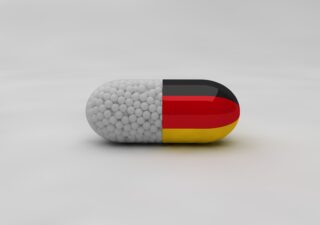
The German Financial Stabilization of Statutory Health Insurance System Act
Executive Summary: Key Policy Updates AMNOG Rebate Negotiations AMNOG* rebate negotiations will be modified to give the GKV-SV increased powers in the pricing negotiations. HIGH P&MA IMPACT: The new negotiation framework increases the threshold of added benefit required for therapies...
Blog
Brazil’s Latest Updates to Drug Coverage in the Private Sector: Anticipated Impact and Implications
Executive Summary Introduction Agência Nacional de Saúde Suplementar (ANS) is the Brazilian regulatory agency linked to the Ministry of Health that oversees the private healthcare sector and insurance companies within the country. Key responsibilities of ANS include defining the legislation...

Blog
Japan’s Latest Drug Pricing Policy Updates: Key Changes in 2022 and the Expected Impact
A series of new drug pricing reforms came into effect in Japan in April 2022, to encourage innovation and ensure the transparency and predictability of drug pricing in the future. These include updates to the cost-accounting pricing methodology, an expansion of...

Blog
Inflation Reduction Act of 2022: No Room for Negotiation
Long-awaited Medicare price negotiations look more like statuary discounts than the value-based negotiations seen in global healthcare systems; combined with expanded price increase rebates and out of pocket limits, new regulation may drive prices for new drugs up more than down....

Blog
Mapping the Unknown: Measuring Cell and Gene Therapy Adoption Using Real-World Evidence
It’s been 10 years since the first pediatric patient was treated with chimeric antigen receptor T-cell (CAR-T) therapy for her acute lymphoblastic leukemia. At the time, the approach to engineer immune cells was a novel, ground-breaking concept. In the subsequent decade,...
Blog
The Humira Case: Exploring the Blockbuster Ahead of United States Biosimilar Launch
Up to nine biosimilar versions of Humira (adalimumab) are expected to launch in 2023 in the United States, following settlements between AbbVie and their respective manufacturers. In contrast, biosimilar versions of adalimumab have been available in most countries [...]