
What NRDL 2025 Outcomes Mean for Drug Pricing and Market Access in China
Locked Out or Leveled Up?
Authors

Wenting Zhang
Director,
Value, Access, and Pricing

Rya Zhang
Senior Consultant,
Value, Access, and Pricing

Venus Leung
Associate Consultant

Navtej Sran
Associate Consultant

Flora Yang
Associate Consultant
Corresponding Author:
China’s reimbursement environment changed with the introduction of the NRDL value rating framework in 2023 and the Commercial Insurance Innovative Drug List (CIIDL) in 2025. NRDL 2025 outcomes show that payers continue rewarding breakthrough therapies, comparative evidence, and treatments for unmet need. This article examines how clinical evidence, therapeutic differentiation, patient population size, and pricing expectations shaped 2025 NRDL and CIIDL outcomes.
Awarding Innovation: GAVRETO and RETEVMO
First-in-class RET-targeting oral kinase inhibitors in identical indications achieving similar NRDL outcomes
Successful Treatments Listed in 2025 NRDL with No Pricing Comparator
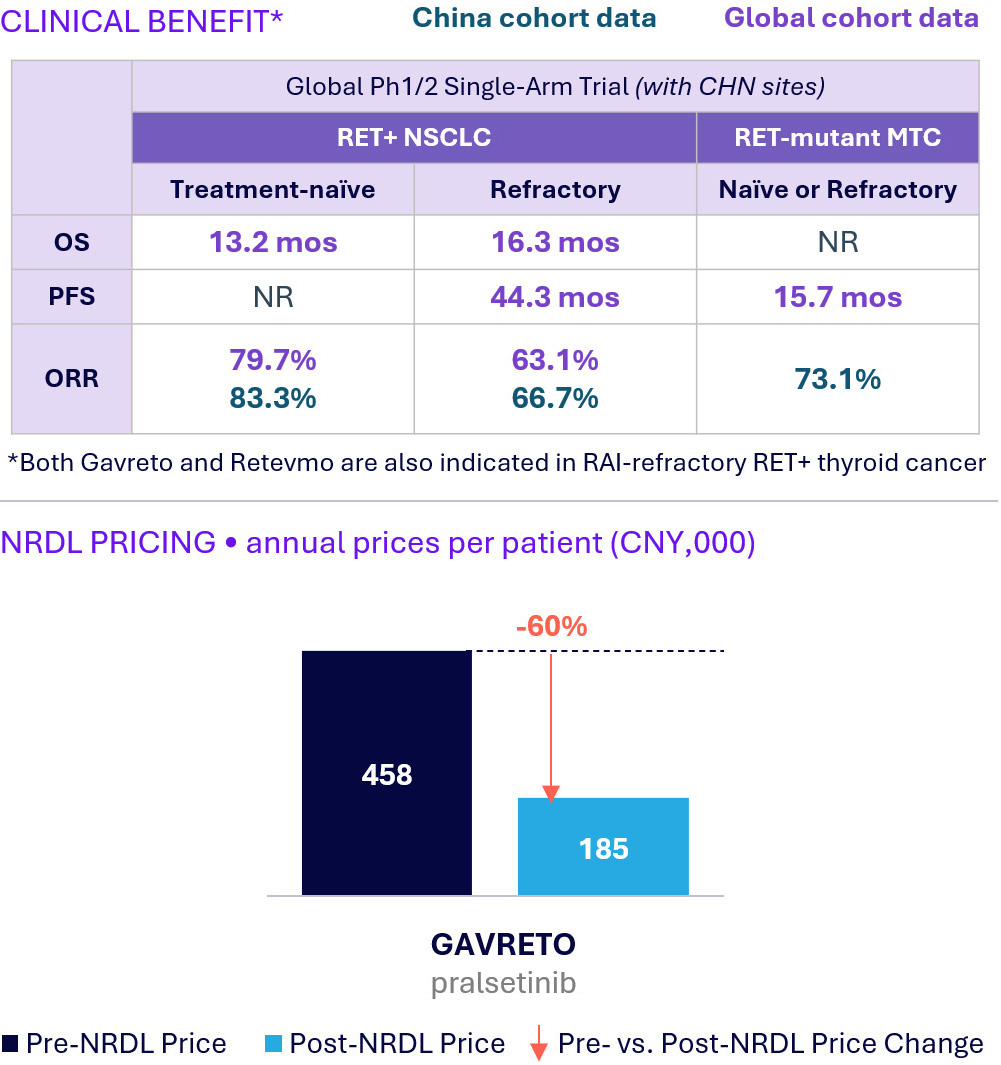
GAVRETO
LIKELY NRDL VALUE RATING: Breakthrough
First-in-class RET-targeting oral kinase inhibitors and clinical evidence supporting meaningful survival benefits
RETEVMO
LIKELY NRDL VALUE RATING: Breakthrough
First-in-class RET-targeting oral kinase inhibitors and clinical evidence supporting meaningful survival benefits
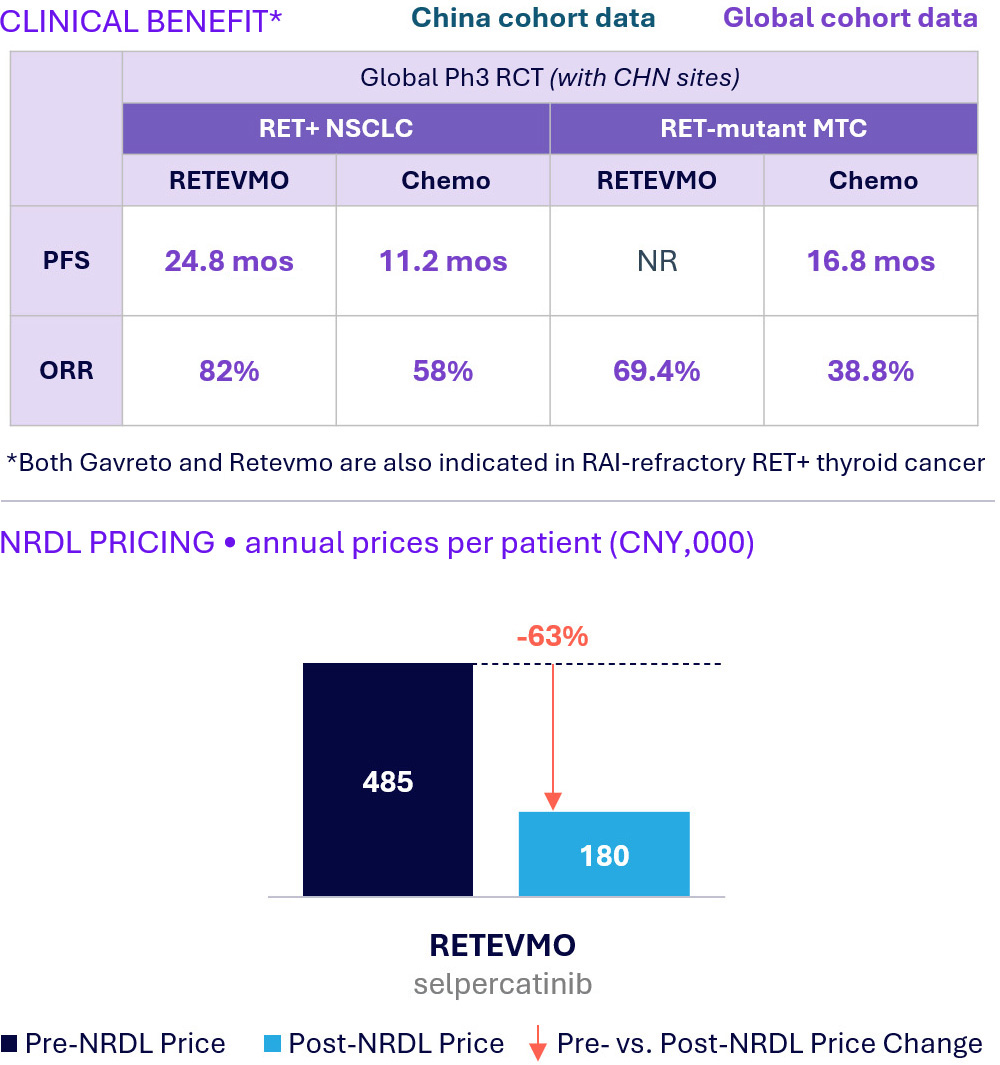
Figure 1: Expected Value Rating, Clinical Benefit and Pricing of GAVRETO and RETEVMO
Key Takeaway
NHSA reimbursement decisions favor therapies that address unmet need, demonstrate survival benefits, and treat smaller populations with limited budget impact.
While the NRDL value rating framework introduced in 2023 has raised the bar for reimbursement inclusion, some therapies can still secure favorable pricing outcomes. Gavreto and Retevmo (Figure 1) were the two highest-priced oncology therapies listed in the 2025 NRDL. As the first RET-targeting oral kinase inhibitors to negotiate for NRDL reimbursement in the same oncology indications, neither product had a direct pricing benchmark during negotiations, and payers likely assessed them based on clinical benefits and budget impact. Meaningful survival benefits, breakthrough ratings, and relatively limited patient populations supported similar post-NRDL annual treatment costs for both products. Both achieved annual treatment costs of approximately CNY 180K (USD 27K), despite GAVRETO relying on less robust single-arm clinical data.
Head-to-Head Superiority: SKYRIZI, TREMFYA and MOUNJARO
Robust head-to-head clinical superiority can support an Improvement rating and a meaningful price premium
Successful Treatments Listed in 2025 NRDL with Likely Improvement Value Rating
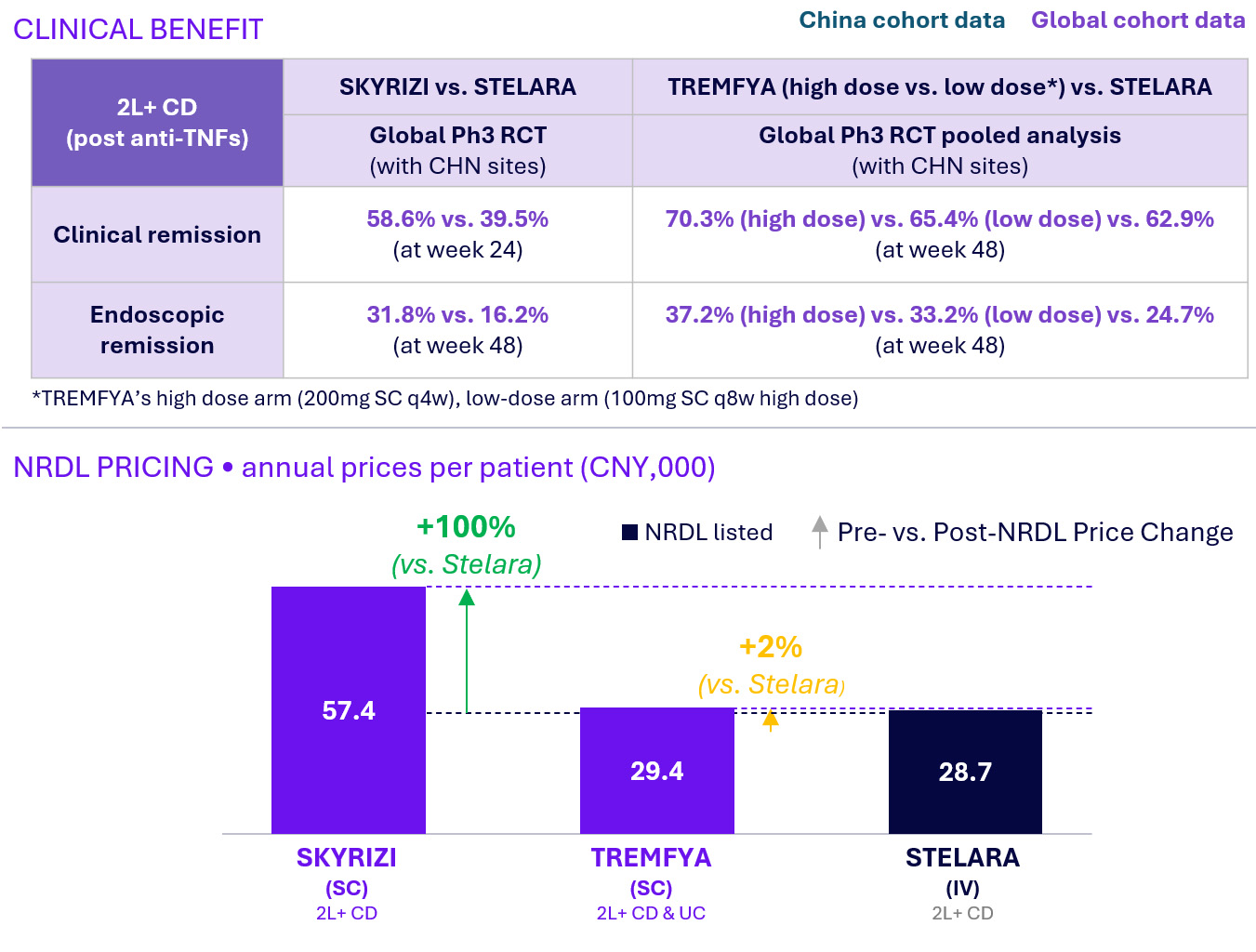
SKYRIZI and TREMFYA:
LIKELY NRDL VALUE RATING: Improvement
More convenient RoA and superior efficacy vs. existing mAbs listed in the NRDL for the same indication
MOUNJARO:
LIKELY NRDL VALUE RATING: Improvement
First-in-class MoA and improved efficacy likely drive a positive value rating
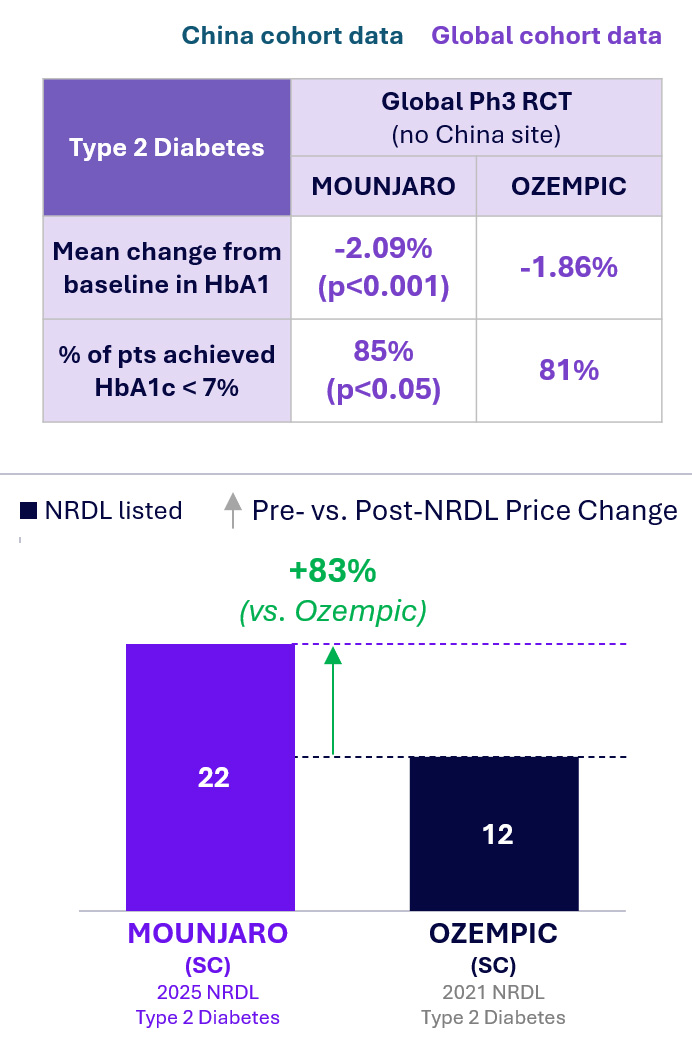
Figure 2: Expected Value Rating, Clinical Benefit and Pricing of SKYRIZI, TREMFYA, and MOUNJARO
Key Takeaway
Head-to-head evidence can support premium pricing relative to existing NRDL-listed benchmarks.
In second-line Crohn’s disease, SKYRIZI and TREMFYA (Figure 2) both demonstrated superiority over STELARA in head-to-head (H2H) trials. Both also offer the convenience of subcutaneous administration. SKYRIZI achieved nearly double STELARA’s price. TREMFYA secured a more modest premium, potentially due to its broader Crohn’s Disease and Ulcerative Colitis population. Notably, both products included Chinese patient populations in their pivotal studies.
MOUNJARO similarly secured a premium in type 2 diabetes despite its large potential patient population and the absence of a China cohort in its pivotal study. As the first dual GIP/GLP-1 receptor agonist listed on the NRDL, it offers a differentiated mechanism of action (MoA). Its H2H trial versus OZEMPIC supported a nearly two-fold pricing, to CNY 22K (USD 3.3K).
NMA and Open-Label Data: LEQVIO and OCREVUS
In disease areas with existing NRDL counter parts, premium prices can be secured through clear clinical benefit and innovative MoA
Successful Treatments without H2H Data Listed in 2025 NRDL
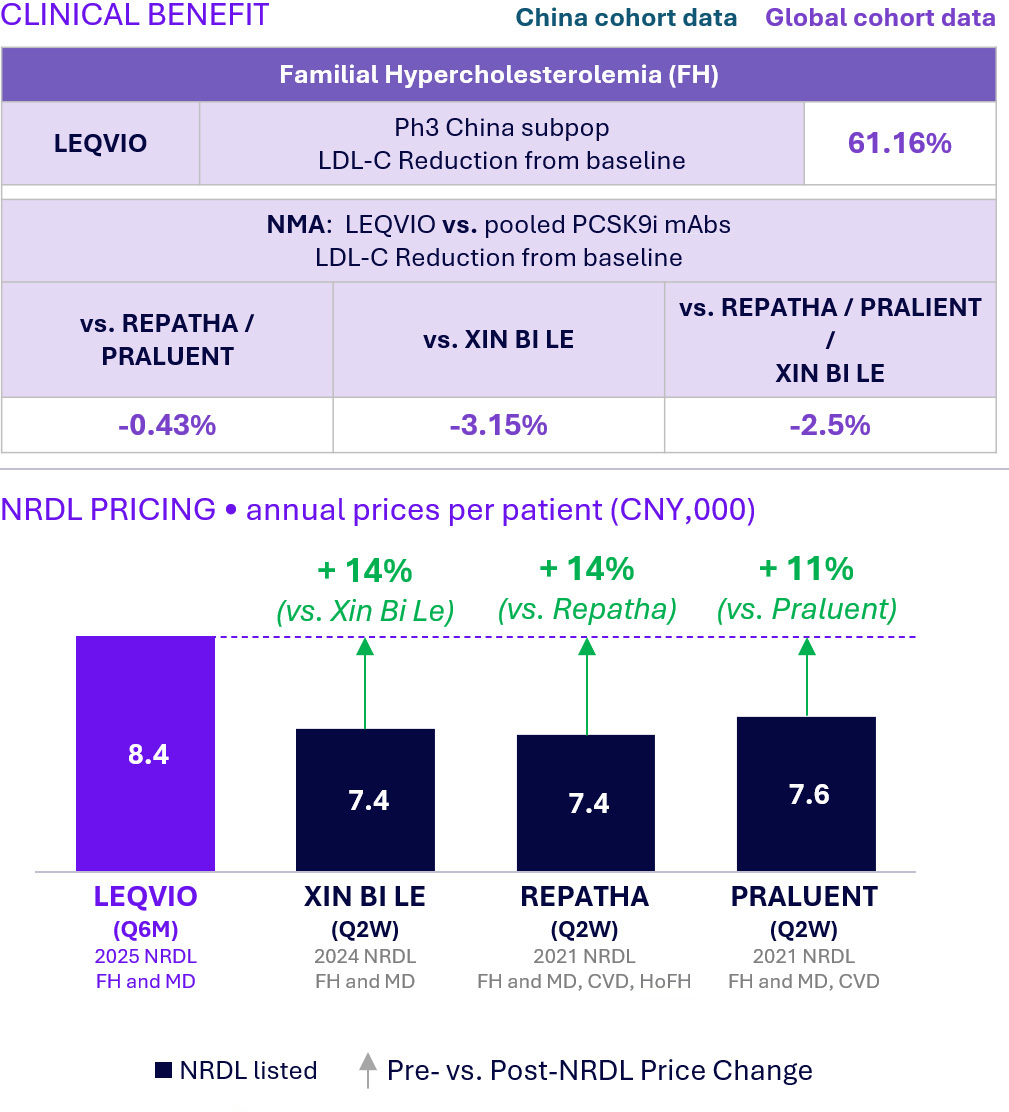
LEQVIO:
LIKELY NRDL VALUE RATING: Improvement
First-in-class MoA and improved efficacy likely drive a positive value rating
OCREVUS:
LIKELY NRDL VALUE RATING: Equivalent
Likely to be viewed as a complement to existing NRDL-listed counterparts, given similar MoA and limited / non-robust clinical benefit
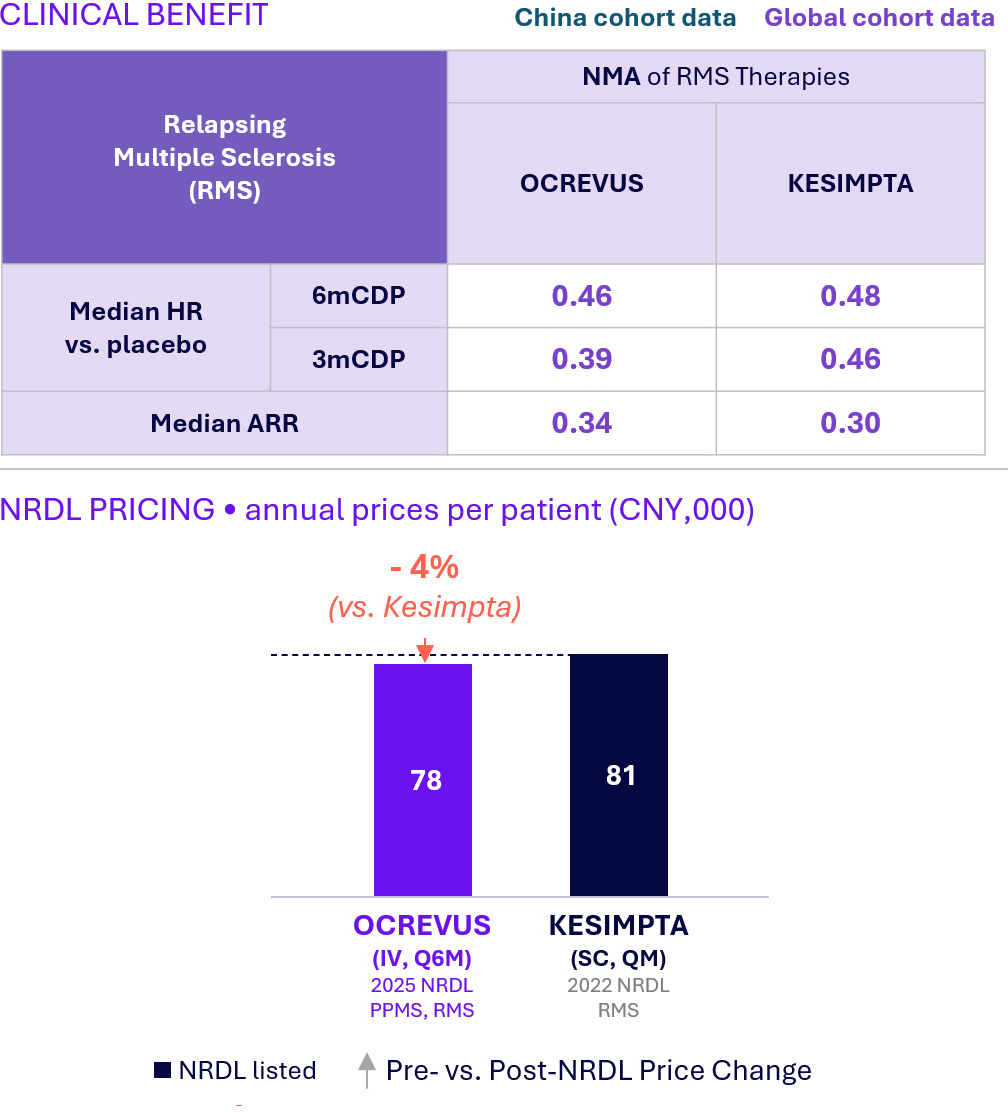
Figure 3: Expected Value Rating, Clinical Benefit and Pricing of LEQVIO and OCREVUS
Key Takeaway
Evidence from indirect treatment comparisons can support a price premium. Products perceived as clinically comparable to NRDL-listed therapies are more likely to receive parity pricing.
In therapeutic areas where pricing comparators exist, premium pricing can still be achieved without H2H evidence if the product is perceived as sufficiently innovative. LEQVIO (Figure 3) illustrates this dynamic, securing a modest premium based largely on indirect treatment comparisons, its first-in-class siRNA mechanism, and its favorable LDL-C reduction profile.
In contrast, products with similar MoA to existing NRDL-listed therapies and limited clinical differentiation are more likely to be assessed as “equivalent” alternatives. While these therapies remain relevant to NHSA’s objective of expanding treatment options, they often face parity pricing or discounting, relative to the established comparators. This is reflected in the outcomes of OCREVUS (Figure 3), which faced downward pricing pressure, likely because payers perceived limited MoA innovation and a lack of clear clinical advantages over NRDL-listed benchmarks.
Improving Access to Highly Innovative Treatments: 2025 CIIDL
The pipeline is oncology-led and driven largely by domestic manufacturers, with high-value therapies in neurology and rare disease
An Overview of Treatments Listed in 2025 CIIDL
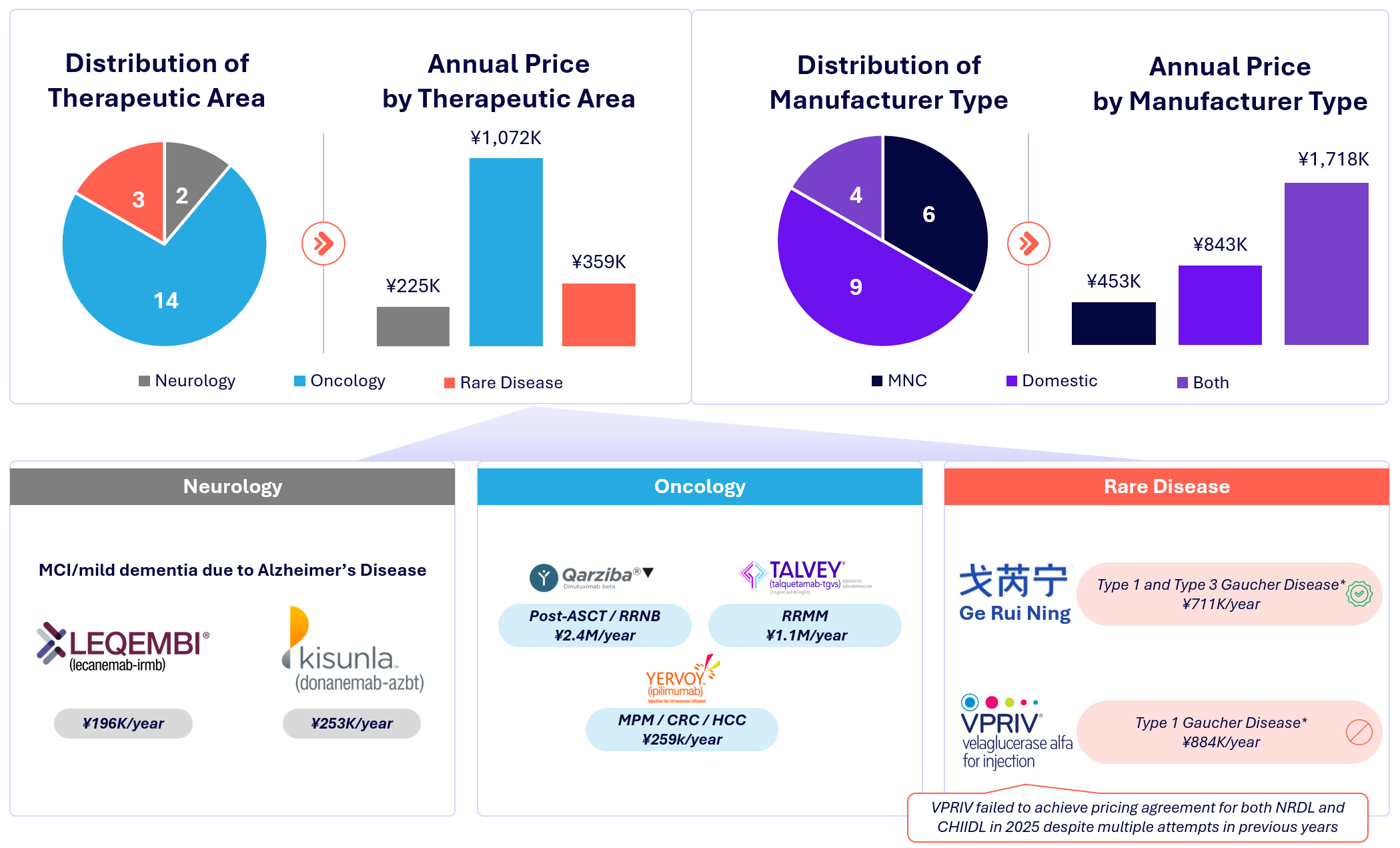
Figure 4: 2025 CIIDL Inclusion Summary
Key Takeaway
CIIDL provides a complementary route for high-cost therapies that address unmet need, although the NRDL remains the primary pathway for market access and broad treatment adoption in China.
The Commercial Insurance Innovative Drug List (CIIDL) was introduced in 2025 as a funding route alongside the NRDL for high-cost therapies that address unmet need (Figure 4). Oncology drugs dominate the CIIDL (14 of 19 products), with several products exceeding an annual cost of CNY 1 million, including CAR-T therapies and treatments for rare oncology indications (e.g., QARZIBA and TALVEY).
Although CIIDL is funded through commercial insurance, listing decisions remain influenced by public policy priorities. This is reflected in the inclusion of two Alzheimer’s disease therapies, LEQEMBI and KISUNLA. Both address unmet need and align with increased government focus on China’s aging population and the burden associated with cognitive decline.
Rare diseases also remain a CIIDL priority because they often involve high unmet need and limited budget impact. However, manufacturers’ willingness to offer price concessions continues to play a critical role in securing inclusion. VPRIV failed to secure CIIDL listing, likely because its rebate offer was less competitive than that of local alternatives, including Ge Rui Ning.
What NRDL and CIIDL Outcomes Mean for Manufacturers
The NRDL will remain China’s primary funding pathway and will largely determine patient access and volume uptake. The CIIDL serves as a complementary pathway for therapies that cannot meet NRDL price requirements. Uptake will vary by product positioning and commercial insurance implementation.
For manufacturers, the 2025 outcomes reinforce three considerations: demonstrate clear clinical value, plan for both CIIDL and NRDL routes, and account for the NRDL annual reimbursement ceiling.
Questions?
We’re here to help. Contact us.